Objects
When Activation Gets a Route You Can Inspect
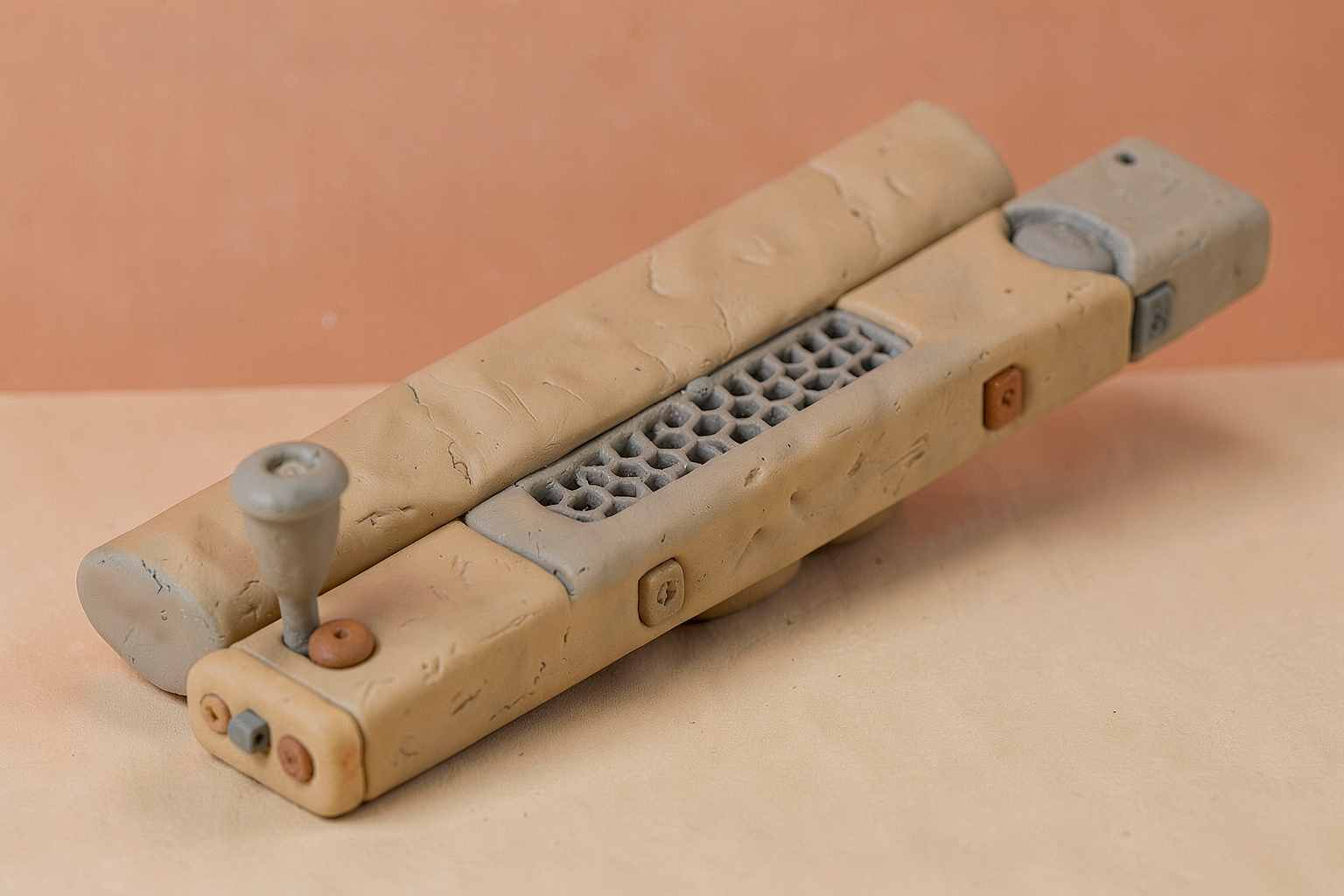
Vaporizer Device is a physical product that is put into an active state after purchase. Its exact form, contents, and use are not stated.

First, the setting
Adults sometimes buy small electronic devices that warm a liquid or other material so it can be inhaled. In shops and at home, people expect devices they have purchased to be ready to use in a predictable way. Retailers and device makers therefore pay attention to how a device is prepared at the time of sale.
At a shop counter, a customer may hold a boxed handheld vaporizer while a clerk scans or enters information at a checkout screen. The box or a charging cradle may sit beside the checkout equipment, with a light or sound passing between them. Later, the customer takes the device home and turns it on.
What changes in this design
A reader might otherwise expect activation information to be entered directly into a device or delivered after checkout by some separate method. What a standard method would be is not stated.
Here, the checkout device receives information associated with the product's identifier. It communicates that information through a dock, packaging, or a computing device using audio and/or optical signals.
It shows that activation is linked to checkout and can be carried onward through more than one physical route. The record does not state how those routes compare in speed, reliability, or convenience.
Activation at the Counter
At a checkout counter, a vaporizer device waits while its activation information takes a route someone could point to. That picture is less like a vague handoff and more like a label maker that insists on putting an address on the package. The published record, US20260262749A1, is titled Activation Of Vaporizer Devices and was published September 10, 2026. It describes activation data, meaning information used to activate the device, as associated with that device's identifier, meaning the information that identifies it. A point-of-sale device is the checkout-side device in this arrangement, and it receives that activation data before activation occurs. What made me look twice was not an enlarged promise around the device, but the small insistence that the handoff have a legible route. You can already feel the design question forming: when one system hands a task to another, how much of the path should remain inspectable?
Signals Along the Handoff
That question becomes clearer in the next part of the picture. The point-of-sale device has received data linked to an identifier; the information must then travel through a dock, packaging, or a computing device. A dock is a named place in the route, packaging is the named wrapping or container along it, and a computing device is another named piece of equipment through which the information can be communicated. The contrast matters because an ordinary retelling might stop at saying that the device gets activated. This arrangement leaves the otherwise foggy middle on the page: checkout-side receipt, a named path, and then activation. The identifier has the air of a librarian's call number, quietly asking that the right information meet the right device.
From that visible middle, the mechanism has a deliberately modest shape. The filing says the data is communicated using audio and/or optical signals. Audio signals are sounds used to carry information; optical signals are light-based signals used to carry information. The phrase "and/or" matters only in the narrow, everyday sense that the route may use sound, light, or both, not as an invitation to imagine additional methods. The signals arrive as if a restrained stage manager were passing a cue instead of waving from the wings. That is the concrete experiment worth keeping in view: write down the data's starting point, the identifier it is associated with, each named route, and the kind of signal that carries it. If any step cannot be named, the handoff has drifted back toward vagueness.
Once the mechanism is stated, the purpose can stay proportionate. The communicated data enables activation of the vaporizer device after the point-of-sale device receives data associated with the identifier; that sequence is the practical center of the published description. Nothing in that sequence requires a grand theory of what happens beyond the named transfer. Its value, as a design question, is more ordinary and more durable: make the moment between receipt and result visible enough that a person can tell what is supposed to pass, where it is supposed to pass, and how it is supposed to be carried. A dock, packaging, or a computing device need not become a magical corridor; each is a named waypoint with a job to do. You could apply that discipline to any system description that presently skips from "received" to "done" with suspicious speed.
Judgment in the Route
That proportion leads to a takeaway with small useful edges. When you encounter a handoff, ask whether the object tied to the information is named. Here, the activation data is associated with an identifier, so the description gives the reader a handle rather than a cloud. Another useful question is whether the path is specified in ordinary components before technical detail arrives. Here, a dock, packaging, or a computing device supplies that practical middle, while audio and/or optical signals specify how communication may occur. I think this is worth your attention because named connections leave space for judgment: you can compare the stated route with the situation in front of you without pretending the route explains everything.
That space for judgment is the point to keep, not a larger story than the filing supplies. The arrangement asks you to notice whether an activation path can be spoken plainly from receipt at the point-of-sale device, through the named route, to communication by sound, light, or both. The published record treats the path without spectacle, giving it a few markers and letting them do their quiet work. That restraint is less like a brass band announcing a result and more like a clipboard that lets you check the next step. For a calm reader test, can you point to the identifier, the route, and the signal before you say the device has been activated?
The record, briefly. US20260262749A1, “Activation Of Vaporizer Devices” A method activates a vaporizer device after a point-of-sale device receives activation data associated with its identifier and communicates that data through a dock, packaging, or a computing device using audio and/or optical signals.
More angles on this
- Tobacco at the Sheet’s SurfaceAnother reading from the same A24F classification family, smokers' requisites; match boxes; simulated smoking devices.
- When a Reflected Signal Checks the ArticleAnother reading from the same A24F classification family, smokers' requisites; match boxes; simulated smoking devices.
- CPC A24F: Smokers' requisites; match boxes; simulated smoking devicesThe official classification family this record was filed into, published in the USPTO Cooperative Patent Classification scheme.
- Where Ridges Meet Their GroovesAnother reading from the neighbouring A24C classification family, machines for making cigars or cigarettes.
- When a Battery Sheet Refuses to Stay GenericAnother reading from the wider A62C classification family, fire-fighting.
Read around this one:Public patent recordUSPTO published figure