Groundwork
A Vehicle Lamp's Alternating Paths and One Extra
Circuit plus N 1 Data carry the practical point: A circuit arrangement for a vehicle lamp includes N light units.

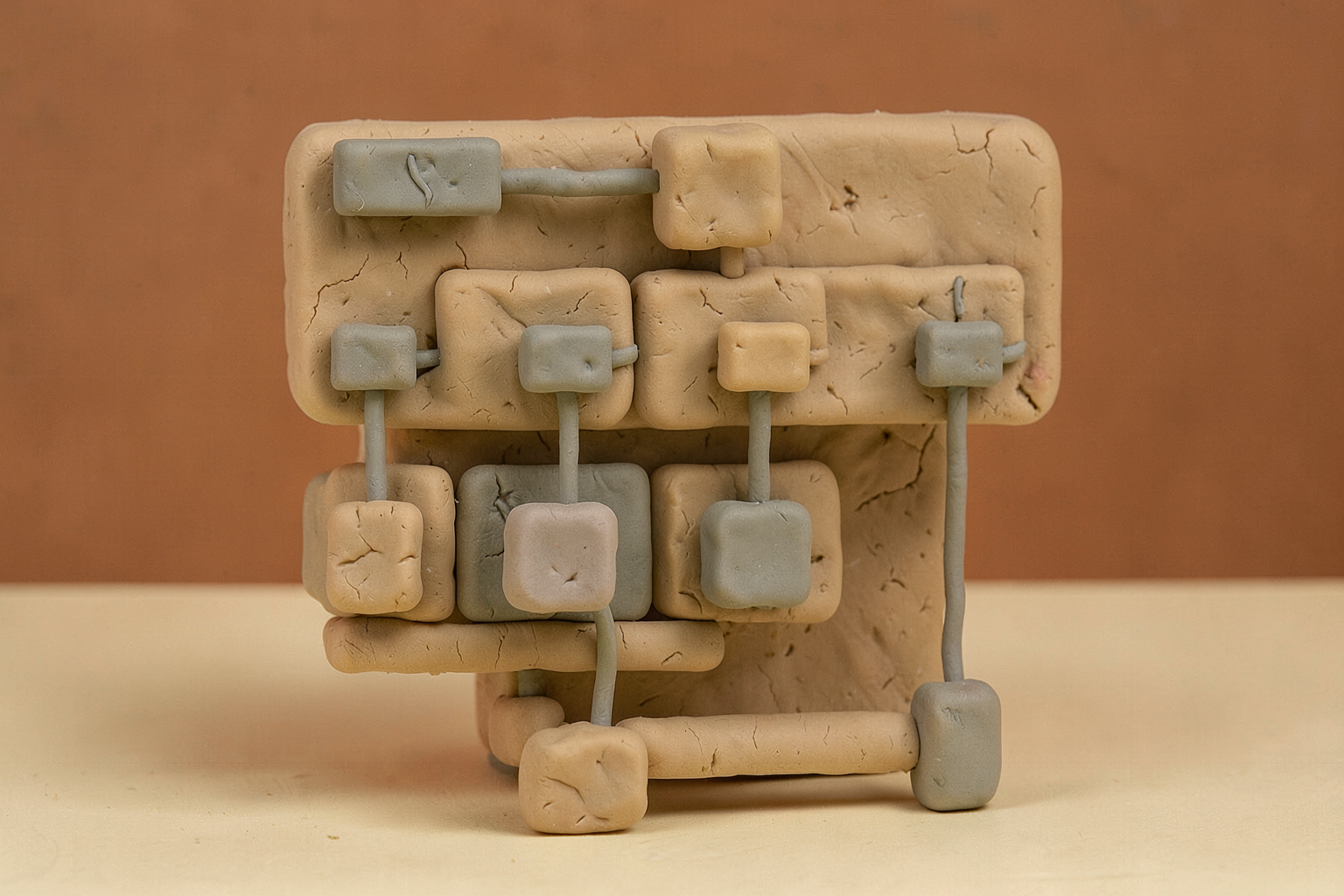
First, the setting
People rely on vehicle lights when streets are dark, rain blurs the view, or traffic is close together. Drivers need to see the road, signal their movements, and avoid surprising others. Light at the front, rear, and sides of a vehicle becomes part of the shared language of travel.
At dusk, a driver starts a car and lamps glow at the front and rear. A person walking near a crossing sees the vehicle approach, while people behind it notice its position and direction. On wet pavement, the light catches the road surface as the vehicle moves through traffic.
What changes in this design
At the simplest level, a reader might picture a vehicle lamp as LEDs using one electrical path with a basic on-or-off control.
Here, each of the N light units has a first and second LED path. Two electronic switches alternate their conductive states, and the driver includes N+1 current regulators and N+1 data registers.
It shows that the lamp includes switching, logic, current regulation, and stored data as well as LEDs. The extra regulator and register beyond the number of light units are part of the setup, though their role is not stated.
Alternating Paths in a Lamp
US20260262151A1 opens, for you, with an arrangement: N light units sit beside two electronic switches, a logic circuit, and a driver unit. Published on September 3, 2026 under the title Circuit Arrangement For A Vehicle Lamp, it asks the eye to notice not a single lamp as a finished object but a set of parts held in relation. Each light unit includes a first LED path and a second LED path, so the picture is already doubled before any specialist vocabulary arrives. The arrangement feels less like a row of bulbs left to their own devices and more like a small stage crew working from the same quiet cue. That is the first thread worth holding: the ordinary choice to make two paths part of every unit makes the surrounding order matter.
That doubled picture brings the terms into focus. An LED, or light-emitting diode, is the light-producing component named in each path; an electronic switch is a circuit element whose conductive state—the condition of letting current pass—can be interrupted. A logic circuit is the named part for logic signals, while N is simply the count of light units in the arrangement. The driver unit comes with N+1 current regulators, components named to regulate current, and N+1 data registers, locations for holding data. The filing describes these parts together, and its purpose on the page is modest but clear: to present a vehicle-lamp circuit whose pieces are counted and placed as a system. What made me look twice was the refusal of those counts to settle into the same number.
Switches and Driver Arithmetic
That mismatch leads directly to the mechanism, where the filing becomes deliberately spare. The two electronic switches alternately interrupt their conductive states: in everyday language, they take turns breaking the state in which they conduct. The logic circuit and driver unit remain named components of the arrangement, while each light unit remains described with its first and second LED paths. The two switches have the air of restrained stage managers, taking alternate turns interrupting conductive states. In that small motion, the ordinary choice of a pair becomes an order for reading the rest: paths belong to the units, and alternation belongs to the switches.
That order, in turn, brings the driver's arithmetic forward. For N light units, the driver unit has N+1 current regulators and N+1 data registers, two parallel counts that each carry one more than the tally of light units. That extra one has the air of a librarian’s spare card, present before anyone mistakes a count for the whole arrangement. The filing does not require you to invent an assignment between every light unit and those N+1 elements to notice the distinction; the components are presented with different counts. In consequence, the switches' alternation and the driver-unit totals form one chain of attention, even though the filing names them as distinct parts.
That chain sets up the comparison worth keeping. A broad, ordinary picture of a lamp circuit might let each light unit carry the whole mental burden: one unit, its paths, and an uncomplicated count beside it. This filing instead places the burden in the relationship among units, alternate interruptions, and driver-unit elements with N+1 counts. It is less like giving every performer a private clipboard and more like leaving the coordination on one shared desk. The contrast is not a claim that one arrangement does more than another; it is a change in who carries the burden of explanation. Once you look at it that way, the extra counts stop being an accounting wrinkle and become a prompt to read across the parts.
Coordination Beyond the Unit
That shift leaves a bounded takeaway, not a promise about what the lamp will achieve. One transferable observation is that a repeated unit need not determine the count of every surrounding component; N can be the opening measure, not the entire score. Another is that an ordinary alternating choice can make you ask where coordination sits, even when the page only names elements and their counts. I think that question travels well to everyday systems with repeated pieces: are you asking each piece to carry its own order, or are you noticing the shared arrangement around it? The filing answers only for its vehicle-lamp circuit, through N light units, two LED paths per unit, two alternately interrupting switches, a logic circuit, and a driver with N+1 current regulators and N+1 data registers. Its lasting little lesson is no grander than this: when one extra place appears beside a repeated pattern, the pattern may be asking you to notice the relationship.
The record, briefly. US20260262151A1, “Circuit Arrangement For A Vehicle Lamp” A circuit arrangement for a vehicle lamp includes N light units, two electronic switches, a logic circuit, and a driver unit with N+1 current regulators and N+1 data registers. Each light unit has first and second LED paths, and the switches alternately interrupt their conductive states.
More angles on this
- Concentric Clearances and the Thermal Absorption of Wave EnergyAnother reading from the same H05B classification family, electric heating.
- A Segment That Cools And A Segment That Carries FlavourAnother reading from the same H05B classification family, electric heating.
- CPC H05B: Electric heating; electric light sources not otherwise provided for; circuit arrangements for electric light sources, in generalThe official classification family this record was filed into, published in the USPTO Cooperative Patent Classification scheme.
- CPC B60Q: Arrangement of signalling or lighting devices, the mounting or supporting thereof or circuits therefor, for vehicles in generalThe official classification family this record was filed into, published in the USPTO Cooperative Patent Classification scheme.
- The Small After-Effect of a Bent Signal PinAnother reading from the neighbouring B60L classification family.
Read around this one:Public patent recordUSPTO published figure