Field Notes
The Face a Radiation Window Names Before You Act
Follow Bonding Agent Layer alongside Method: A radiation window includes a window element. It keeps the central design choice visible.

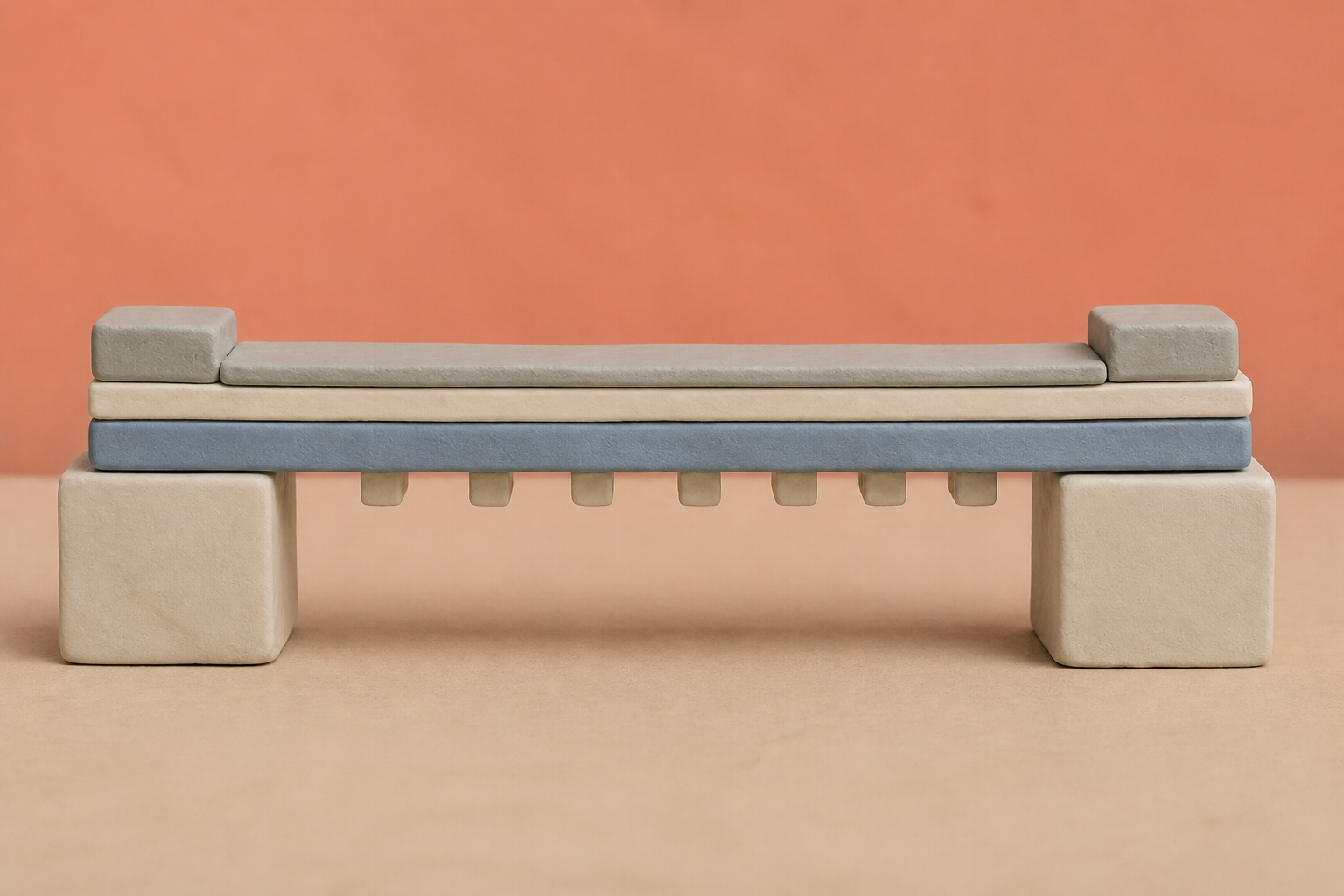
First, the setting
Hospitals, dental offices, laboratories, and repair shops sometimes need to see what cannot be seen from the outside. Imaging equipment can reveal bones, hidden parts, or flaws inside an object. That work depends on carefully enclosed components that guide energy while keeping delicate equipment protected and usable.
A patient sits still while a technician positions an imaging device nearby, or a worker places a manufactured part into an inspection machine. Inside the housing, enclosed components handle radiation as the equipment operates. The person outside experiences a brief scan, a displayed image, or a decision about the object being examined.
What changes in this design
A reader might picture a window as a single piece. Here, the window is not presented as a lone piece, but as something paired with a protective film and a bonding material.
The window element, first protection film, and first bonding agent layer are all identified. The bonding material is arranged to form a first main surface of the window element.
This matters because the focus is not just the window element. It also includes the protective film and joining layer, along with the joining layer's place at a main face.
Window Face Before Action
Ordinary objects earn trust before a hand reaches them, and this radiation-window arrangement asks you to inspect the window element's named face first. That is the compact claim worth carrying through the published record for US20260260837A1, published September 3, 2026: a radiation window includes a window element, a first protection film, and a first bonding agent layer. You do not need to imagine a laboratory scene to notice the human routine inside it. Before acting, you look for the part that will meet the next step, then decide whether the arrangement has given you enough to go on. Here, the available evidence begins with components and a named surface, not with a promise about what will happen after.
That first look matters because the title connects a radiation window, encapsulation, and a method for producing an encapsulation, broad enough territory to make a reader pause. Yet the evidence supplied in the filing is narrower and more useful for an editorial purpose: it identifies the three parts and tells us one specific relation involving the bonding agent layer. I noticed the restraint because it leaves you with a familiar design question rather than a grand conclusion: what must be made legible before someone proceeds? The protection film is less like a heroic shield in a headline and more like a stage manager quietly listed in the program before the scene begins. That image stays bounded: the stated facts tell us the film is included, while they do not tell us more about its effects or placement.
Film, Bonding, and the Face
With that question in view, the picture is deliberately spare. Picture a named window element as an object with a principal face, the way a notebook, a display, or even a sealed envelope presents one side before you decide what to do next. The patent calls that object the window element. It also names a first protection film and a first bonding agent layer, so the described evidence is a small cast of parts rather than an invitation to supply an unseen machine around them. The wording has the discipline of a coat-check ticket: it gives you enough to identify what is on hand, but not permission to invent what is behind the door. That economy makes the next terms worth slowing down for.
Because the picture is small, the terms should stay small too. A window element is the element named as part of the radiation window. A protection film is the film the filing identifies as a first protection film. A bonding agent layer is a layer of bonding agent, and a first main surface is the named principal face identified as first for the window element. These definitions may sound almost circular, but that is an honest kind of clarity: they keep you beside the published wording instead of smuggling in an unlisted use or result. The bonding agent layer has the air of a quiet label-maker: it is named not merely as something nearby, but as what forms the window element's first main surface. For a reader deciding what to do with limited evidence, that grammatical detail is the handhold.
That handhold leads to the mechanism the public description actually provides: the first bonding agent layer is arranged so that the bonding agent forms the window element's first main surface. Forms is doing the important work here. It is not presented merely as an added item alongside the window element; in the stated arrangement, it constitutes that named face. The filing describes no further sequence in the facts available here, and it would be careless to turn this one relation into a story about outcomes. Still, the contrast with an ordinary inventory is sharp enough to notice. An inventory says what sits on the table; this arrangement says which material makes the face at issue. That shift is less like adding another object to a desk and more like deciding which part of the desk must meet the hand first. The burden moves from the reader, who otherwise has to infer the relevant face, to the arrangement, which names it.
Burden at the Surface
Once the burden has moved, the modest takeaway is not that the arrangement settles every question you might bring to a radiation window. It does not. The limited facts give you a more contained lesson: before acting on a technical object, look for the point where the description stops merely listing parts and begins assigning one of them a role in the object's face. One transferable observation is that, with a notebook, display, or sealed envelope, a named side gives you a place to orient yourself before guessing about unseen parts. Another is that a component list becomes more usable when one phrase says which part forms the named face. I think that is why the filing made me look twice. The first protection film remains part of the described arrangement, while the bonding agent layer is the one said to form the first main surface; holding those two facts apart keeps the reading steady. The result has the air of a careful librarian placing a card at the exact shelf, not a brass band announcing that the whole building has been explained. For you, that is a memorable but bounded reason to pay attention: the face an object names may be the evidence that lets your next question begin in the right place.
The record, briefly. US20260260837A1, “Radiation Window, Encapsulation And Method For Producing An Encapsulation” A radiation window includes a window element, a first protection film, and a first bonding agent layer arranged so the bonding agent forms a first main surface of the window element.
More angles on this
- Timing at the Kilogram-Scale Mushroom HandoffAnother reading from the same H01J classification family, electric discharge tubes or discharge lamps.
- CPC H01J: Electric discharge tubes or discharge lampsThe official classification family this record was filed into, published in the USPTO Cooperative Patent Classification scheme.
- CPC G01T: Measurement of nuclear or x-radiationThe official classification family this record was filed into, published in the USPTO Cooperative Patent Classification scheme.
- A Slanted Beam in the Routine of Making Superconducting WireAnother reading from the neighbouring H01B classification family, cables; conductors; insulators; selection of materials for their conductive, insulating or dielectric properties.
- When the Infusion Pump Audits Its Own MechanicAnother reading from the wider G16H classification family, healthcare informatics.
Read around this one:Public patent recordUSPTO published figure