Machines
The Quiet Work of Alignment at Height
A new U.S. filing exposes a long effort to make tree-climbing harnesses more dependable in work where a small component can decide everything.

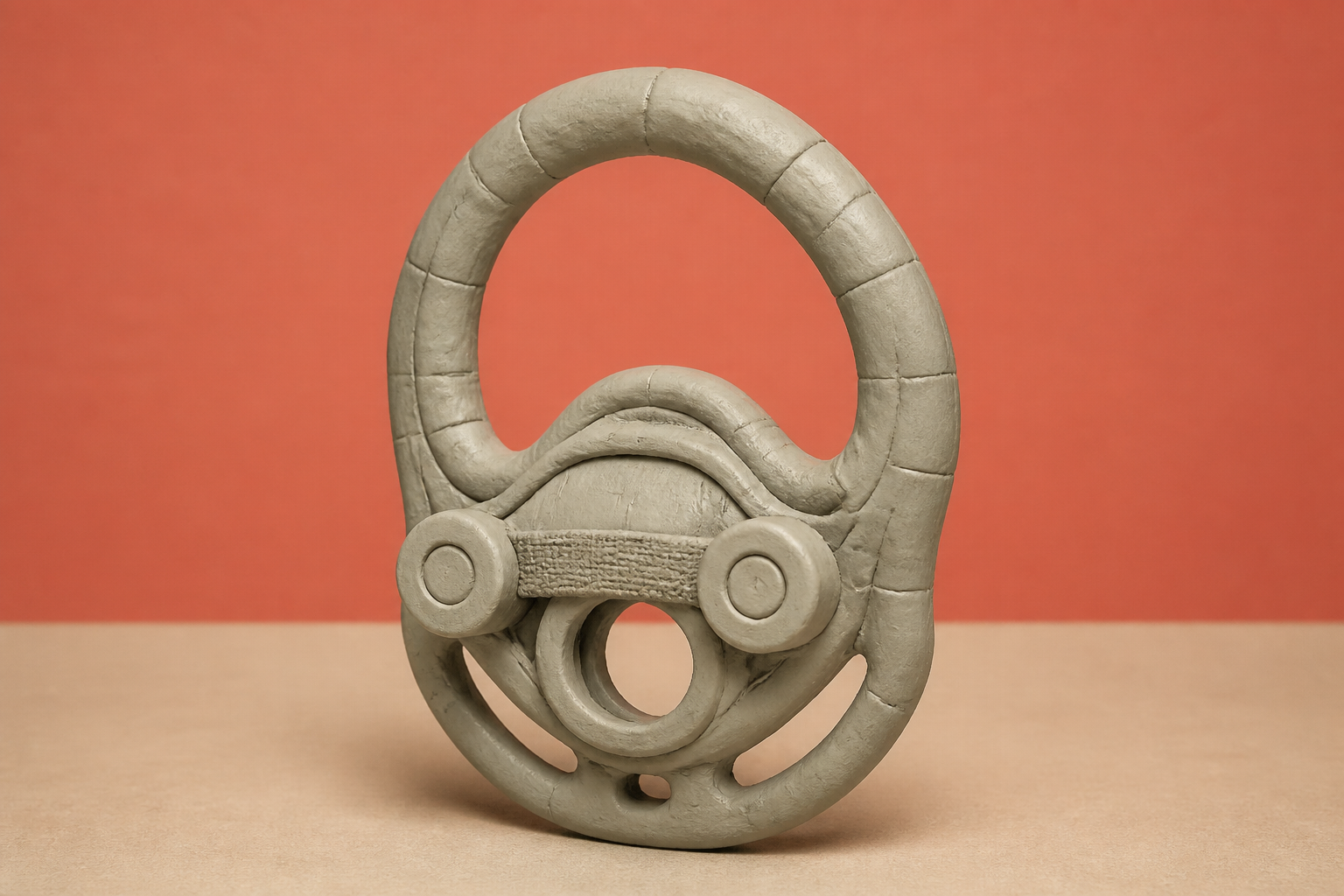
What changes in this design
A reader might picture a worker relying simply on a harness or a hanging seat when working above ground.
Here, the support is identified as a harness-and-seat assembly that also includes a platform, flexible connectors, front connection arrangements, a flexible weight-carrying piece, and a retainer attached to the body.
That list helps show that this is not presented as a harness alone: the seat and platform are part of the support setup. Exactly how the parts are made or used together is not stated.
The 110-per-100,000 job
Tree trimmers and pruners face a fatality rate of around 110 per 100,000 workers. Across all industries, the comparison is 3.3 to 3.8. Non-fatal injuries run at 239 per 10,000 workers, against 89 industry-wide; falls account for about a third of tree-worker deaths, and climbers account for half of fall incidents.
Those figures cannot explain every accident or identify one weak part of one harness. Still, the number that changed how I looked at this patent was 110. In a job with that exposure, a device that holds a climber in a working position is not background equipment. It is part of the conditions that let the work happen at all.
The bridge between two points
A history of rope technique traces a sit harness used by arborist Karl Kuemmerling to as early as 1932. That same account says American arborists were only learning to use lifelines in 1984. The equipment has had a long time to develop, but age is not the same thing as settled reliability. That history leaves me less interested in novelty for its own sake than in the small details that can be inspected, adjusted and replaced.
US20260257085A1, titled Apparatus For Supporting A Person At Height, is about one of those details. Its harness and seat assembly includes a supporting platform, flexible connections and forward connection arrangements, with a flexible load-bearing member retained against the body. In the product language used by this equipment family, that working connection is a rope bridge. It is a compact part carrying an uncompact amount of consequence.
Eight years in patent offices
The U.S. application was filed on April 23, 2026 and published on September 3. Its assignee is Treemagineers Ltd, a British arborist-equipment design house, but its claimed priority reaches back to a UK application filed on September 26, 2018. Nearly eight years separates that first filing from this American publication.
The family has travelled through the UK, Europe, the PCT route and the United States. A UK sibling was granted in 2021, naming Christopher Sidney Cowell and Elliot James Tanner as inventors. Another U.S. sibling covers replaceable riser and webbing components, intended to let worn load-bearing straps be exchanged without field stitching; it remained unresolved in the public record as of January 2026. What I cannot tell from that status alone is why the U.S. process has taken so long, because a pending application does not reveal the cause of delay.
A harness made for adjustment
Treemagineers and DMM have worked together since 2004, with the design house testing prototypes before the Welsh climbing-hardware maker builds them. That is the more revealing structure here: not a solitary invention appearing fully formed, but a long relationship between people testing equipment and people manufacturing it.
The commercial expression is the Kinisi MAX, a £695.50 arborist sit harness with a patented rope-bridge adjuster that lets a climber change bridge length while working. DMM lists it at 2.4 to 3.0 kg depending on size, with a 150 kg rating and certification to EN 358:2018 and EN 813:2024. The detail I find most important is the standard's boundary: EN 813 sit harnesses are for restraint, work positioning and rope access, not fall arrest. Certification matters, but it does not erase the need for another system to arrest a fall.
Where the risk actually sits
A patent application is not evidence that a product is safe, and the filing does not establish that any rival design has failed. But the surrounding history gives its focus weight. Weaver discontinued an older spliced rope-bridge design after receiving reports of failures, then advised replacement at the first sign of wear or every six months for affected saddles. The warning concerned precisely the kind of load-bearing connection that this patent family is trying to make manageable.
A separate manufacturer issued a 2021 retrofit notice after buckle casings on tree-care harnesses could loosen or detach under exceptional rope-climbing loads. That was not a rope-bridge failure, which matters, but it was another failure in the load-bearing harness system. I do not think this filing should be treated as a breakthrough simply because it has reached a new patent office. It is a snapshot of an industry still working on a hard, old problem: making the parts between a worker and the ground dependable enough to inspect, maintain and trust.
Sources
Reporting for this piece drew on the published filing and the references below.
- US 2026/0257085 A1 - Apparatus for Supporting a Person Working at Height
- GB2585889B - Harnesses
- US20220257985A1 - Harnesses
- Treemagineers - DMM Wales
- Kinisi MAX
- Tree-Work Safety by the Numbers
- Rope Bridge Safety Warning & Free Replacement
- Precautionary call for retrofit of tree care harnesses
- DIN EN 813:2024-05 - Personal fall protection equipment, Sit harnesses
- SRT - a full history
The record, briefly. US20260257085A1, “Apparatus For Supporting A Person At Height” An apparatus for supporting a person working at height includes a harness and seat assembly with a supporting platform, flexible connection members, forward connection arrangements, a flexible load-bearing member, and a retainer securing the load-bearing member to the body.
More angles on this
- The Small Division Inside a Protective GarmentAnother reading from the same A62B classification family, devices, apparatus or methods for life-saving.
- CPC A62B: Devices, apparatus or methods for life-savingThe official classification family this record was filed into, published in the USPTO Cooperative Patent Classification scheme.
- Ambient Light's Quiet Job in Facial VideoAnother reading from the wider A61B classification family, diagnosis; surgery; identification.
- The Interior Route to Surface CoatingAnother reading in the same Machines category on this site.
Read around this one:Public patent recordUSPTO published figure