Objects
Two Liquids at the Dock: A Question About Cleaning Boundaries
The central pairing is Cleaning Base with Cleaning Disk: A cleaning base station includes first and second liquid storage chambers.

First, the setting
Keeping hard floors clean is a familiar household chore. Spills, tracked-in dirt, and everyday odors can linger, so people use water, cleaners, and cloths to make rooms feel cared for.
In a home or workplace, a small floor-cleaning machine may roll back to a docking station after moving across tile or wood. Nearby, someone might notice damp pads being rinsed and the faint scent of cleaning liquid as the station handles the cloth.
What changes in this design
Without more detail, a reader might expect a dock simply to hold a cleaning device while it is parked. It might also be assumed that liquid delivery would come from one container and one pump.
Here, the station has two liquid storage chambers and two pumps. When the device docks, one pump supplies cleaning liquid and the other supplies deodorizing liquid to the wiping and mopping part. A circular part is also included, but its role is not stated.
This helps show that the station is not only a parking place. It is where two separately stored liquids are supplied to the part that wipes and mops. Why both liquids are used is not stated.
Liquid Decisions at the Dock
Cause, effect, and the next choice all meet at the dock: the filing describes a first pump supplying cleaning liquid and a second pump supplying deodorizing liquid to a wiping and mopping member when a cleaning device docks. The obvious headline is two liquids in a cleaning base station. The more useful question sits underneath: what changes when the system distinguishes its response at the boundary between the station and the member it serves? That boundary made me look twice, because it turns a broad cleaning idea into a named sequence of decisions. The practical test follows: can you point to what is stored, which named pump supplies it, and when the delivery is described to occur? If those answers remain separate, you can consider the arrangement without asking it to promise more than the published record does.
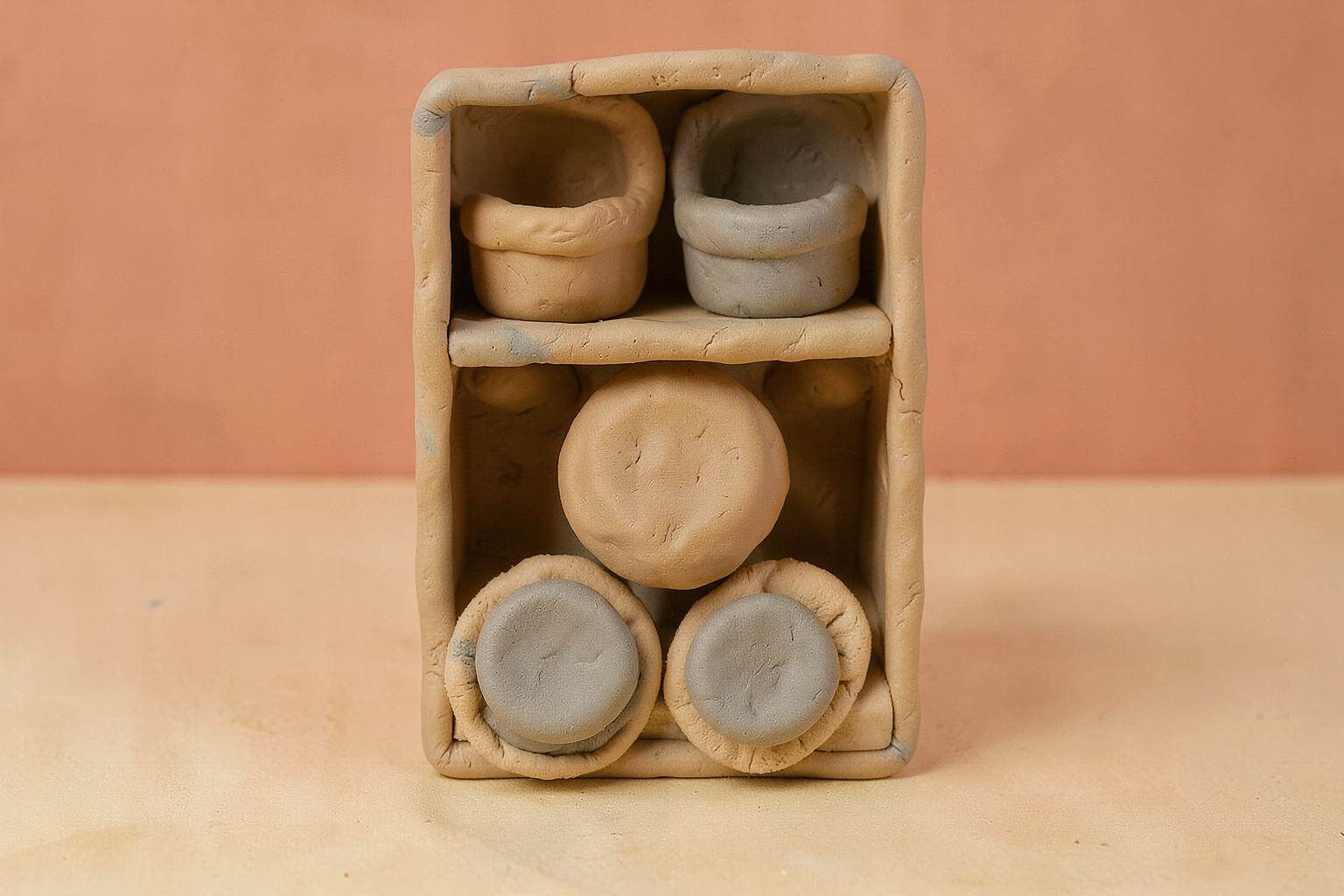
That question gives the listed parts a working shape. Published as US20260262901A1 on September 10, 2026, under the title Cleaning Base Station And Cleaning Method For Wiping And Mopping Member, the patent names first and second liquid storage chambers, first and second pump bodies, and a cleaning disk. The two chambers sit less like a single pantry and more like a label-maker's very small filing system. This picture matters because the parts are not presented as one unnamed pool: the wording keeps a first and second chamber beside a first and second pump body. A reader need not supply a hidden layout, an extra cycle, or a result beyond that arrangement. The picture is enough to move from the practical question to the vocabulary that keeps its boundaries intact.
With that picture in view, the terms should stay ordinary. A liquid storage chamber is a compartment that holds a liquid; a pump body is the pump component the filing names; and the wiping and mopping member is the part described as receiving the liquids. The two liquid labels matter because they are distinct: one is cleaning liquid, and one is deodorizing liquid. Those labels do not, by themselves, establish an outcome, a formula, or a timetable. I think the restraint is worth your attention because familiar words can tempt a reader to fill in a whole routine that the published record does not spell out. The arrangement has the air of a restrained stage manager, sending each liquid to its appointed entrance. The cleaning disk belongs in the pictured set of components, while its further role is not established by these stated facts.
Pumps Chambers and the Disk
Once the vocabulary is held steady, the mechanism can be followed in order. The cause is docking: when a cleaning device docks, the first pump body supplies cleaning liquid and the second pump body supplies deodorizing liquid to the wiping and mopping member. The effect is not a vague instruction to clean, but two named deliveries associated with two named pump bodies. The practical test is equally modest: read the sentence and ask whether the source, liquid, recipient, and trigger can each be identified without borrowing anything from outside it. The cleaning disk waits as if it has a clipboard and a modest preference for orderly arrivals. Its presence should not be inflated into a claimed sequence or function, because the facts here identify it without explaining more. That is where the boundary does its quiet work.
Tests Beyond This Station
That limit gives the comparison its shape. A broad description of a cleaning station might leave the liquid decision as a guess, as though one container or one unnamed step could stand in for the whole exchange. This filing instead provides a defined response: two liquid storage chambers, two pump bodies, and an association between the first pump and cleaning liquid and the second pump and deodorizing liquid when docking occurs. The contrast is not a verdict about superiority or a claim about what every other station does. It is a defined response replacing a guess, and that is a more useful distinction for you to carry through the reading. The separation is less like a brass band announcing a breakthrough and more like a careful label on two adjacent drawers. It directs attention to the point where parts meet, rather than to an imagined spectacle around them.
From that comparison, two portable observations emerge. First, when a system has more than one input headed toward one recipient, the boundary deserves explicit names: storage, routing element, material, and trigger. Naming those pieces lets you ask a concrete practical question, such as whether a later reader can reconstruct the handoff without inventing a missing step. Second, a trigger should be kept apart from the action it begins. Here, docking is the stated condition, while supplying the two named liquids is the described response; in any ordinary process, holding those ideas apart can prevent a condition from being mistaken for a result. The September 10, 2026 publication offers no need for grand conclusions to make that point stick. The consequence you can use elsewhere is straightforward: when a design crosses a boundary, ask not merely what arrives, but who selects it, from where, and at what moment.
The record, briefly. US20260262901A1, “Cleaning Base Station And Cleaning Method For Wiping And Mopping Member” A cleaning base station includes first and second liquid storage chambers, first and second pump bodies, and a cleaning disk. The first pump supplies cleaning liquid and the second pump supplies deodorizing liquid to a wiping and mopping member when a cleaning device docks.
More angles on this
- When a Cleaning Station Gives Dirt a DestinationAnother reading from the same A47L classification family, domestic washing or cleaning ; suction cleaners in general.
- A Dishwasher's First Temperature QuestionAnother reading from the same A47L classification family, domestic washing or cleaning ; suction cleaners in general.
- CPC A47L: Domestic washing or cleaning ; suction cleaners in generalThe official classification family this record was filed into, published in the USPTO Cooperative Patent Classification scheme.
- When Capsule Recognition Needs Another ComparisonAnother reading from the neighbouring A47J classification family, kitchen equipment; coffee mills; spice mills; apparatus for making beverages.
- When Soil, Vehicle, and Control Share the Next ChoiceAnother reading from the wider A01B classification family, soil working in agriculture or forestry.
Read around this one:Public patent recordUSPTO published figure