Groundwork
Where Pressure Meets the Turning Element
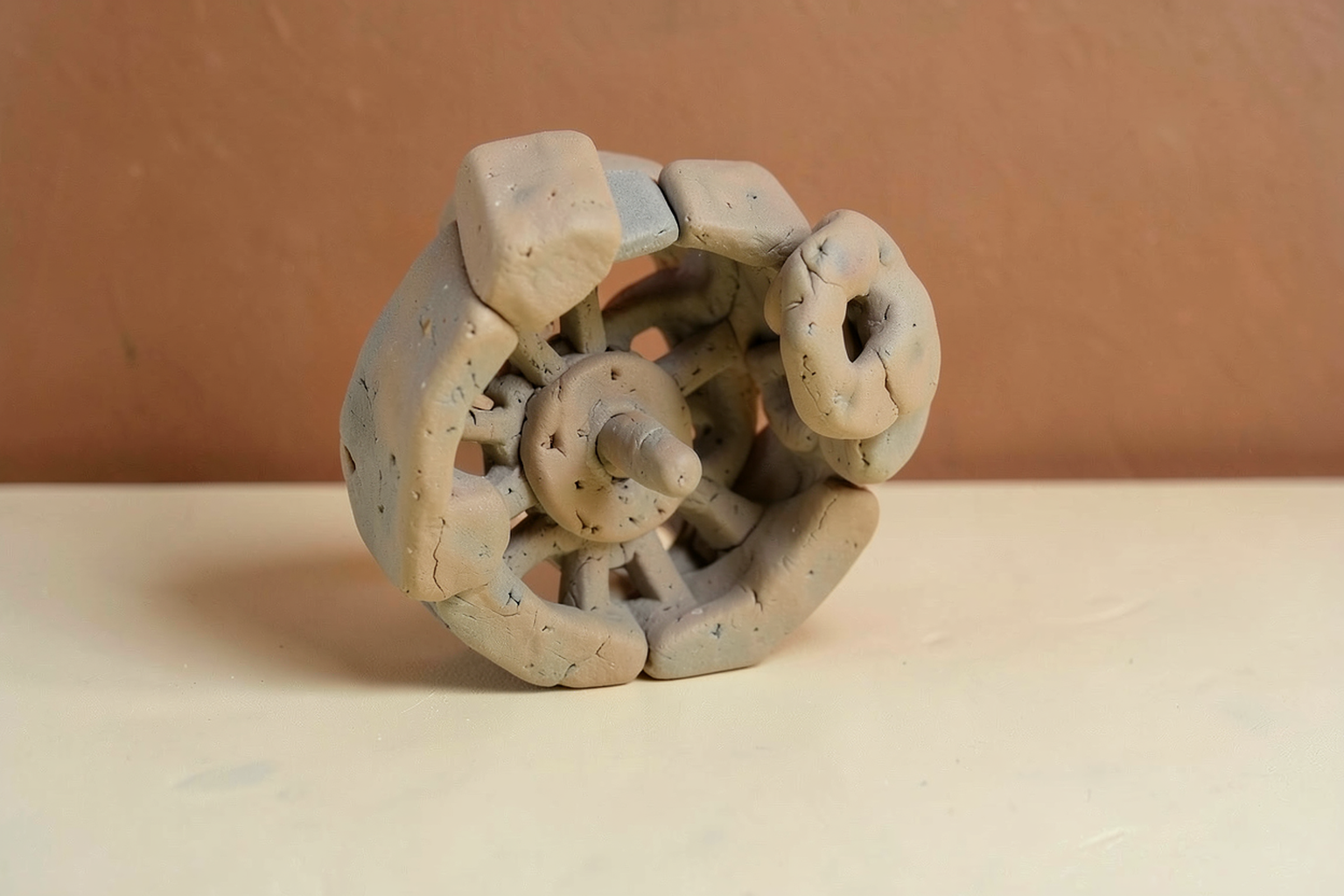
Agricultural Singulation Device and Causes Particulate Material: An agricultural singulation device includes a housing and a rotatable shaft with a singulation element.

First, the setting
Planting begins with getting tiny seeds from storage into prepared soil in an orderly way. Farmers and farm workers pay attention to spacing because crowded or empty spots can affect how a field develops. The work happens amid dust, soil, machinery, weather, and the steady pace of a planting season.
A tractor pulls a planter across a field while seed moves through enclosed parts near the ground. Inside, a turning component picks up individual bits of material before they travel toward the soil. A person nearby sees rows forming behind the machine and monitors the equipment as it moves.
What changes in this design
Without details of other farm equipment, a reader might simply expect loose material to be handled as a mass rather than picked up by a moving part.
This device has two areas within its housing at different pressures. That difference makes particulate material adhere to a singulation element mounted on a rotating shaft in the first area.
It offers a clear picture of the central idea: pressure helps a rotating element hold loose particles while the device separates them.
Pressure at the Housing Boundary
A housing and a turning shaft meet at a practical question: what makes one bit of particulate material stay with a singulation element while the surrounding conditions change? That physical arrangement is the first thing worth picturing in US20260262559A1, published September 10, 2026, under the title Agricultural Singulation Device For Singulating Particulate Material. You can imagine the shaft rotating inside its housing, carrying its element past one housing region and toward another. The patent does not need a grand claim to make that setup interesting. It puts the reader at a boundary, where a difference in pressure can matter to whether material adheres to the element. The arrangement feels less like a scoop and more like a quiet stage manager deciding who may remain in view.
That question becomes sharper because ordinary gathering is not the whole picture here. A container, a moving part, and loose material are familiar ingredients, but the published record describes first and second housing regions that can have a pressure differential. That means a difference in pressure between the regions, not merely a difference in their labels or location. The stated consequence is specific: particulate material can adhere to the singulation element in the first region. I looked twice at that boundary because it shifts attention away from the material alone and toward the conditions around it. For you, the useful question is not simply what the element touches, but what relationship between element, housing, and pressure makes the contact meaningful.
Shaft, Element, and Regions
With that practical question in view, the working picture can stay modest and clear. A rotatable shaft is a shaft able to turn, and the singulation element is the part associated with singulating, or separating particulate material into individual portions. The housing is described as having two regions, and their pressure differential can cause the material to adhere in the first region. The boundary has the air of a librarian's desk, where conditions rather than voices determine what stays put. That image is deliberately restrained: the filing describes adherence in the first region, but it does not tell us more here about every later movement or outcome. Keeping that limit visible is part of what makes the mechanism legible rather than over-explained.
Attention at the Boundary
Once the terms are grounded, the comparison becomes visible as a relationship rather than a claim of superiority. A broad version of this task might focus on a rotating component meeting loose material. This published record instead directs attention to two housing regions and to the pressure difference that can affect adherence in the first one. The rotating element reads less like a heroic machine part and more like a patient label-maker passing through two different rooms. What changes from room to room, in the stated arrangement, is not the identity of the shaft but the pressure relationship around it. That is a compact systems lesson: a boundary can be an active part of the design even when it does not look like the moving part.
That contrast carries forward into a first transferable observation for you: when a process seems to belong to one visible component, check whether the surrounding conditions are doing part of the work. In this case, the shaft and singulation element are easy to notice, yet the pressure differential between housing regions is the condition the filing links to adherence. A second observation follows from the same picture: define the location of an effect precisely. The material is described as adhering in the first region, and that placement prevents the mechanism from dissolving into a vague story about motion. The patent's small discipline is to connect a condition, a place, and a result without pretending the relationship is broader than stated.
Those observations lead back to the workbench question that opened the piece: what holds on, and under what surrounding condition? The answer offered here is bounded but memorable. The housing provides regions, the shaft rotates with its singulation element, and a pressure differential can cause particulate material to adhere in the first region. I think that is worth your attention because it makes an everyday design question unusually concrete: sometimes control appears not in an extra moving part, but in the boundary around the part already moving. Return, then, to the visible detail of the turning shaft inside its housing. At that meeting point, pressure is not scenery; it is part of the relationship the published record asks you to notice.
The record, briefly. US20260262559A1, “Agricultural Singulation Device For Singulating Particulate Material” An agricultural singulation device includes a housing and a rotatable shaft with a singulation element. First and second housing regions can have a pressure differential that causes particulate material to adhere to the element in the first region.
More angles on this
- The Seed Method's Extremely Serious Fresh StartAnother reading from the same A01C classification family, planting; sowing; fertilising.
- Seeds Are Being Asked to Land With IntentionAnother reading from the same A01C classification family, planting; sowing; fertilising.
- CPC A01C: Planting; sowing; fertilisingThe official classification family this record was filed into, published in the USPTO Cooperative Patent Classification scheme.
- The Boundary Inside Smart Pet MonitoringAnother reading from the neighbouring A01K classification family, animal husbandry.
- Foldable Solar Panel: Folding as a Signal for AttachmentAnother reading from the wider A45F classification family, travelling or camp equipment: sacks or packs carried on the body.
Read around this one:Public patent recordUSPTO published figure